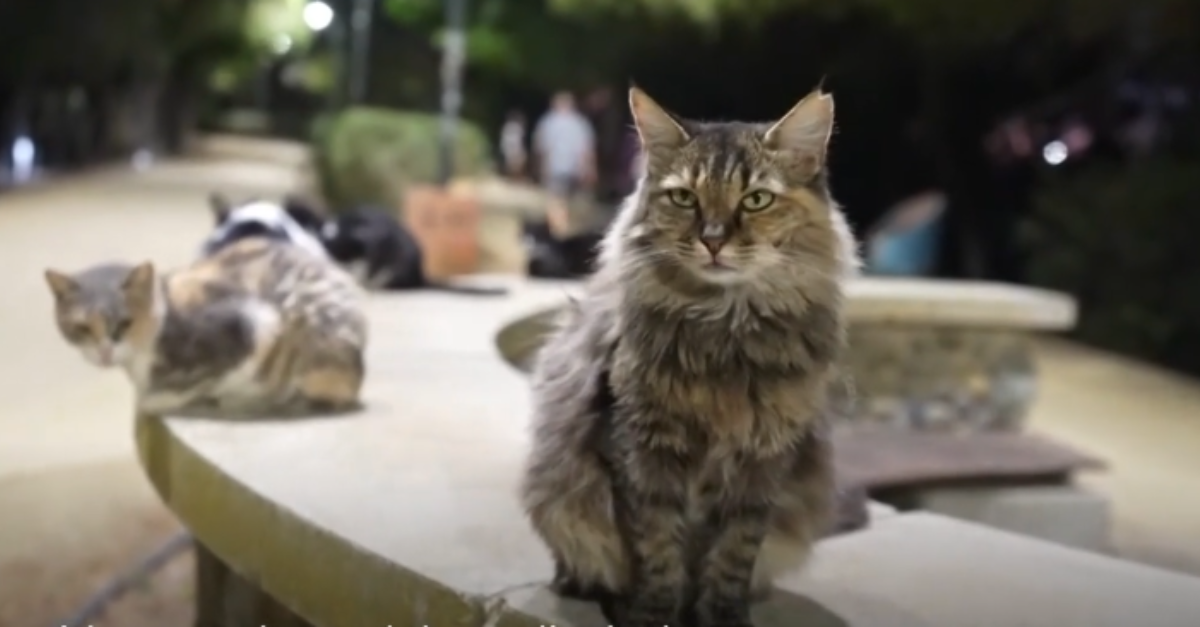
Cyprus has long been known as the “island of cats,” but officials now say the island is facing a crisis: there may be roughly one feral cat for every person living there.
The small Mediterranean nation has about 1 million residents, and officials estimate that feral cats may number close to that. Animal advocates believe the real figure could be even higher. The population has grown so large that authorities say the current sterilization program is no longer enough to control it.
A new Hawaii County-style feeding ban is not the issue here; in Cyprus, the concern is how to manage a huge feral cat population without causing more suffering. Officials have warned that the island’s existing sterilization effort is too limited, with only about 2,000 cats sterilized each year under a budget of about 100,000 euros.
Environment Commissioner Antonia Theodosiou said the program is useful but too small for the scale of the problem. In response, the government announced that annual funding for cat sterilization would rise to 300,000 euros.
For many rescuers and cat feeders, that increase is a relief — but not enough.
Animal welfare volunteers say the real problem is not only money, but coordination. Without a clear plan, more funding may still fail to reach the cats most in need. Some groups argue that volunteers and conservation teams should be directly involved because they already know where large colonies live and how difficult it is to trap feral cats, especially females.
The issue is emotional because Cyprus has a deep cultural connection to cats. Cats are seen everywhere: near restaurants, along walking paths, outside homes, and close to popular tourist areas. Visitors often feed them, and many locals care for them daily. To cat lovers, these animals are not a nuisance. They are abandoned pets and their descendants, born into a hard outdoor life they never chose.
But conservationists warn that the growing population also threatens native wildlife. Cats hunt birds and other small animals, and their waste can spread diseases. In fragile island ecosystems, where native species did not evolve with large numbers of mammalian predators, the impact can be serious.
That leaves Cyprus facing a painful question: how can the island protect its native wildlife without allowing thousands of cats to suffer?
Veterinary Association president Demetris Epaminondas believes the population could be brought under control within a few years if Cyprus creates a unified sterilization plan. He has suggested making neutering easier, reducing paperwork, involving private clinics, identifying high-density cat areas, and even using a smartphone app to help locate large colonies.
Volunteer groups agree that action is urgent. Eleni Loizidou, who leads Cat Alert in Nicosia, said her group recently helped round up hundreds of feral cats in the city center, but compared the effort to a drop in the ocean. Too few cats, especially females, are being sterilized fast enough to slow the population boom.
For now, Cyprus remains caught between compassion and conservation.
The island’s cats are part of its identity, its history, and its streets. But without a stronger plan, many will continue living difficult lives outdoors, while native animals face increasing pressure from a predator they were never prepared to survive.
Cyprus does not just have too many cats.
It has too many cats with too few safe answers.